
Topic
The Starving Artist Myth — Why It Survives When the Paycheck Doesn't Match
The romantic legend of the broke creative hides how working artists actually make rent: day jobs, teaching, grants, and a lot of plain bookkeeping.
The romantic legend of the broke creative hides how working artists actually make rent: day jobs, teaching, grants, and a lot of plain bookkeeping.
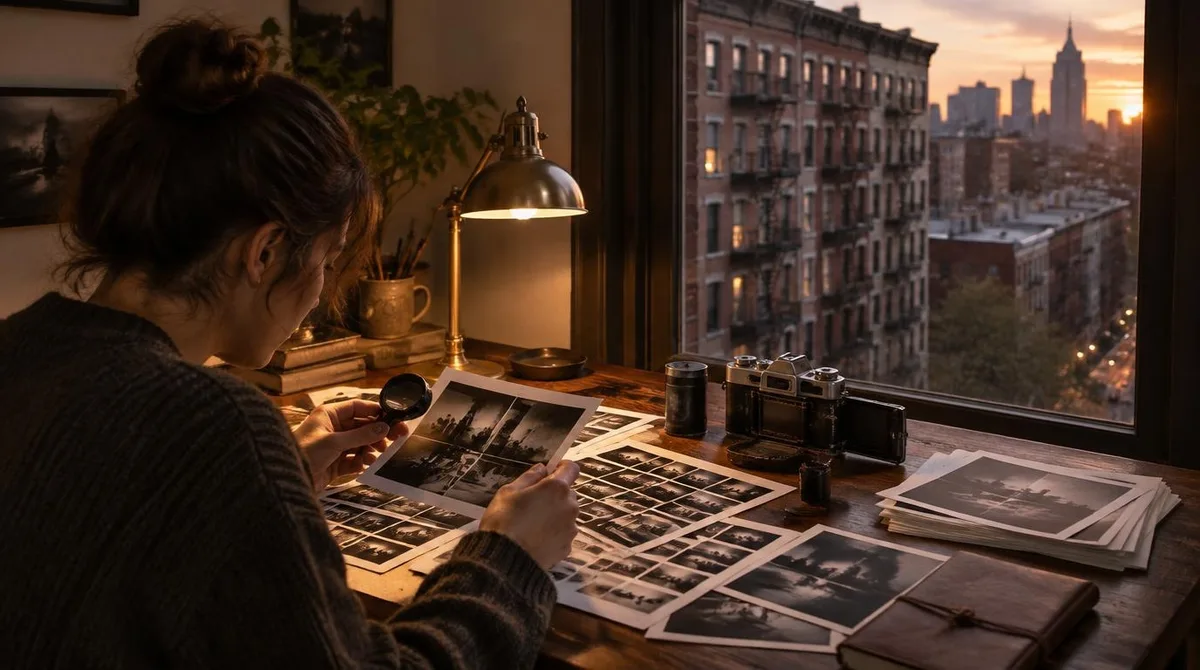
The sidewalk, not the studio, taught America how pictures could tell the truth.
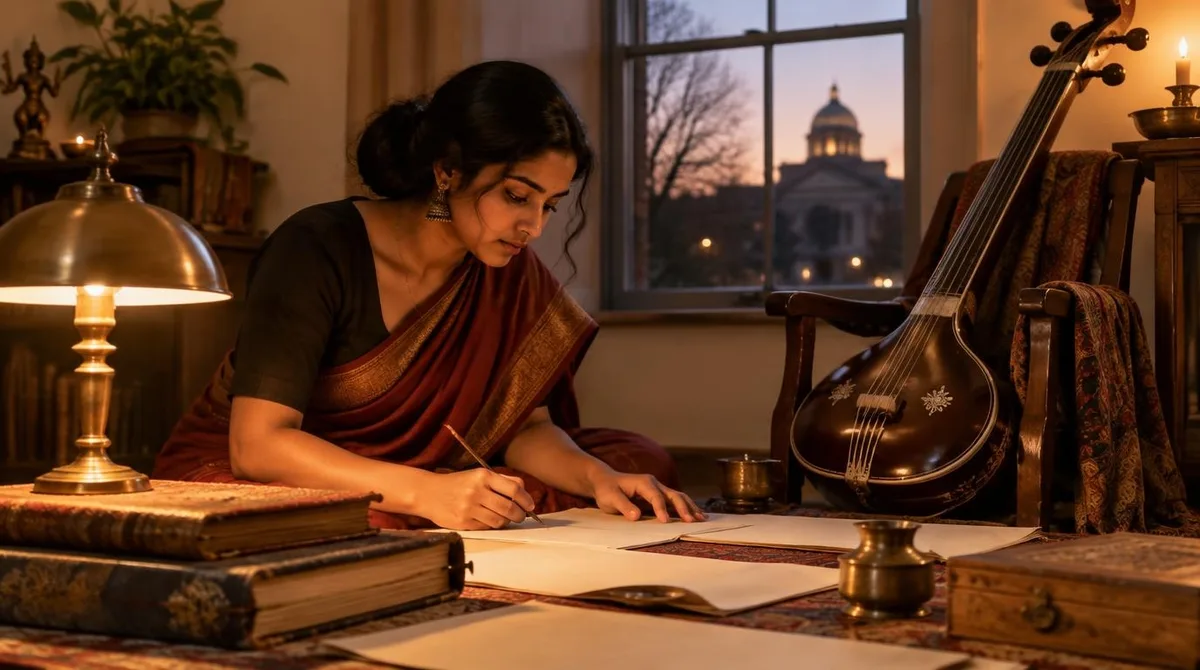
Prabaṅdha Gāna was prevalent in medieval India. On Nov. 15, a student choir at Penn State will sing a full reconstruction of it — and the interesting question is what that reconstruction can and cannot claim.

The remote control now points at the bookshelf. Here is how the adaptation economy reshaped what Americans pick up, borrow, and buy.
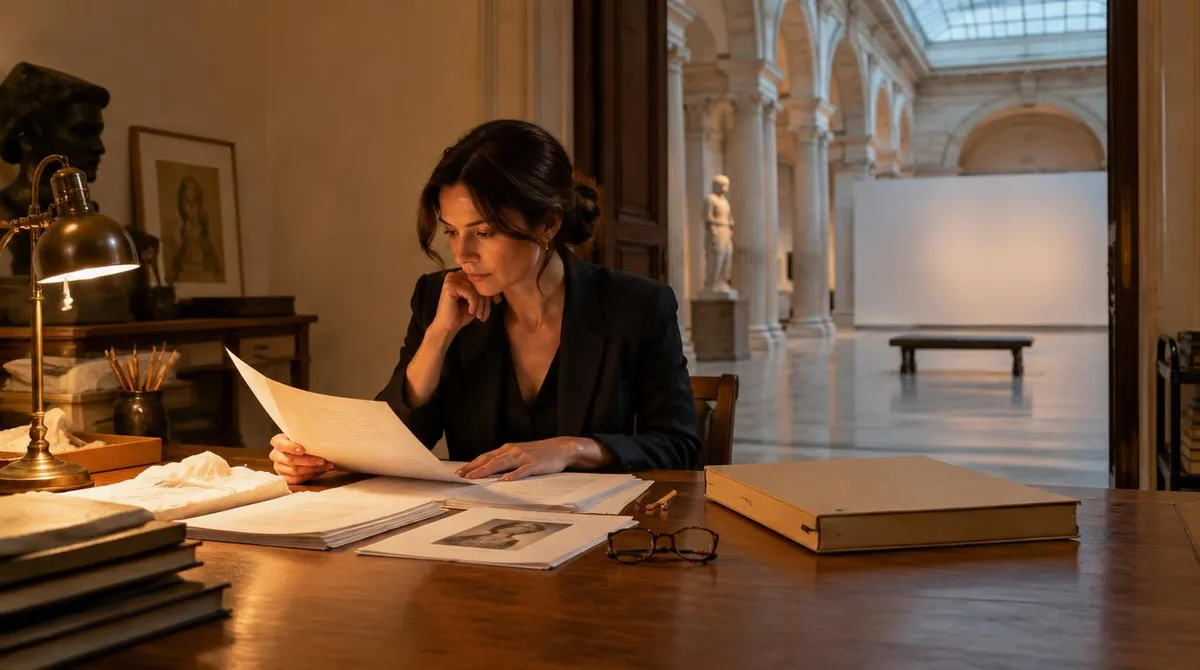
Inside the curatorial meeting: loans, walls, budgets, and the slow argument that ends with art on a wall.
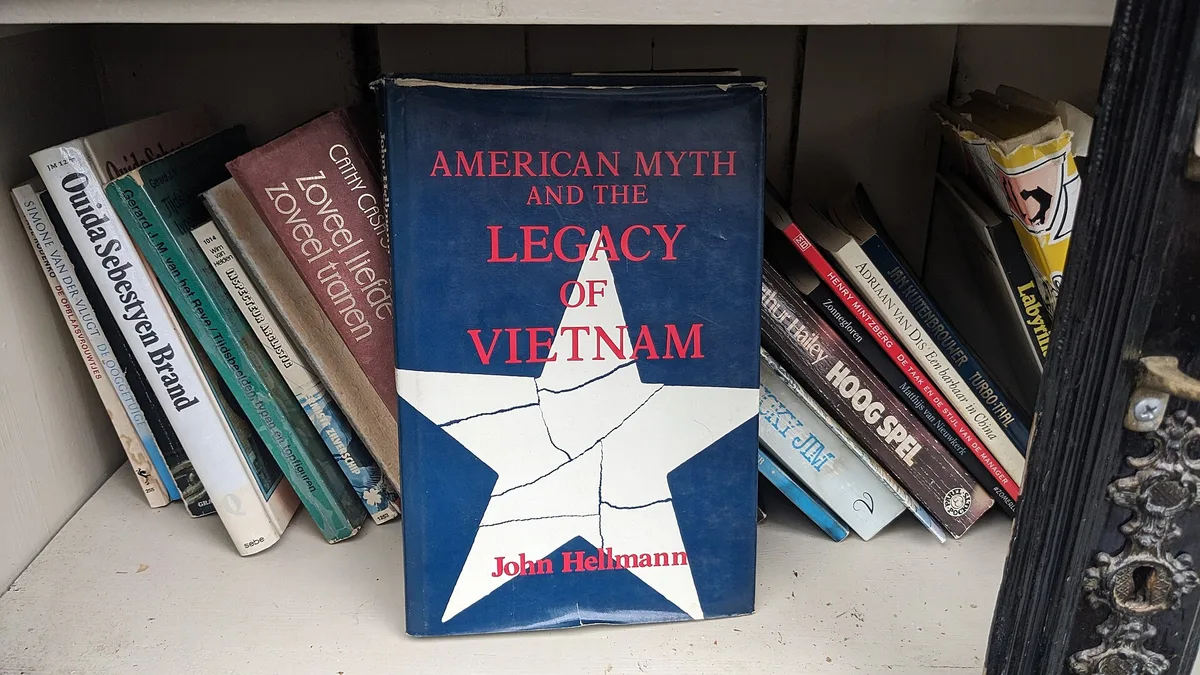
Mobility research shows most Americans stay near the income level they are born into, a finding that complicates the national myth of the self-made man.
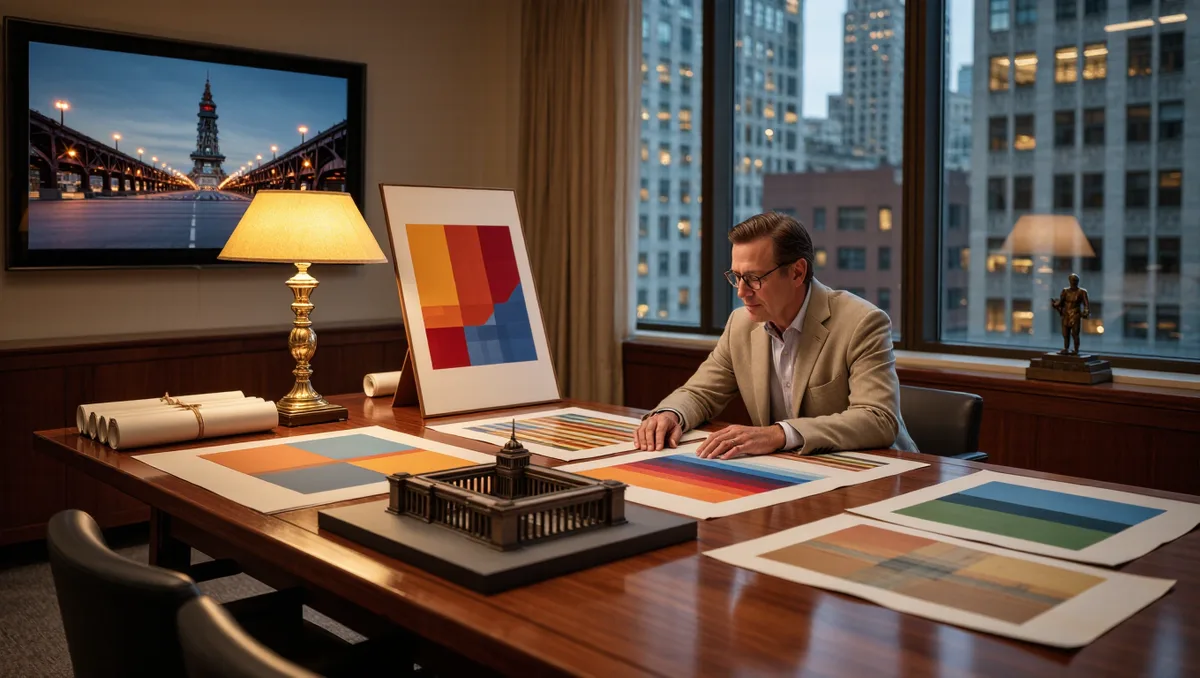
Murals and monuments sit where everyone has to look. That is the whole problem, and the whole point.

A beginner's guide to building a home library you will actually read, reread, and lend.
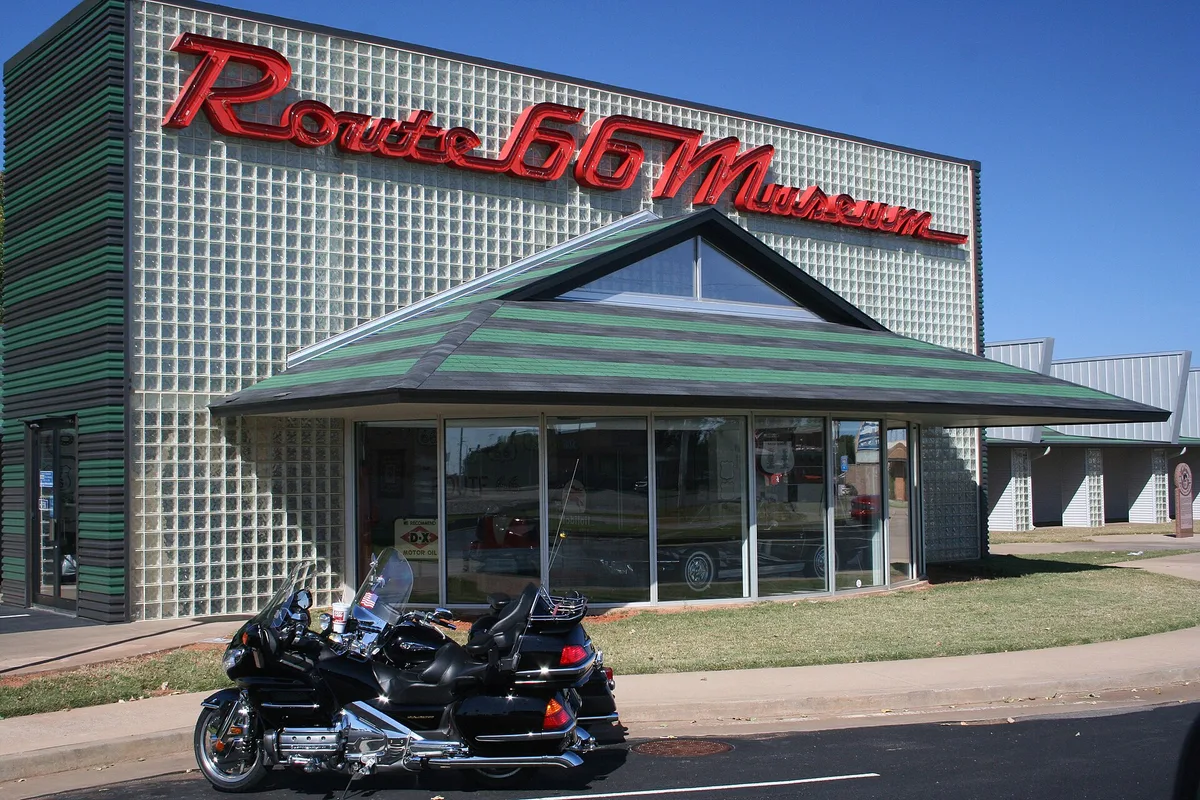
Assembled from existing roads in 1926 and retired in 1985, Route 66 carried Dust Bowl families west and left behind motels, songs, and a scenic byway.
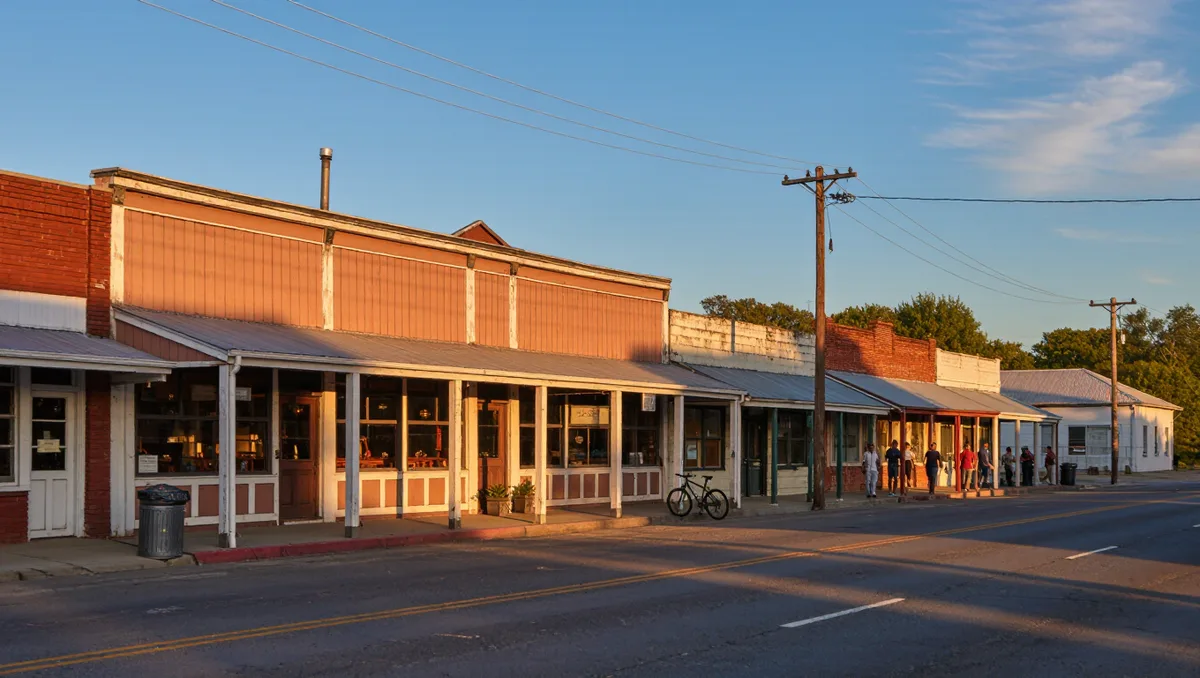
A third place is social ground that is neither home nor work, a term Ray Oldenburg fixed in his 1989 book The Great Good Place.