Business reporting on the cultural economy, from endowment returns and ticketing revenue to donor conditions, licensing deals and payroll at nonprofit institutions. Stories explain who pays and what that purchase buys. Written for board members, arts administrators and readers curious about the accounting behind a season.
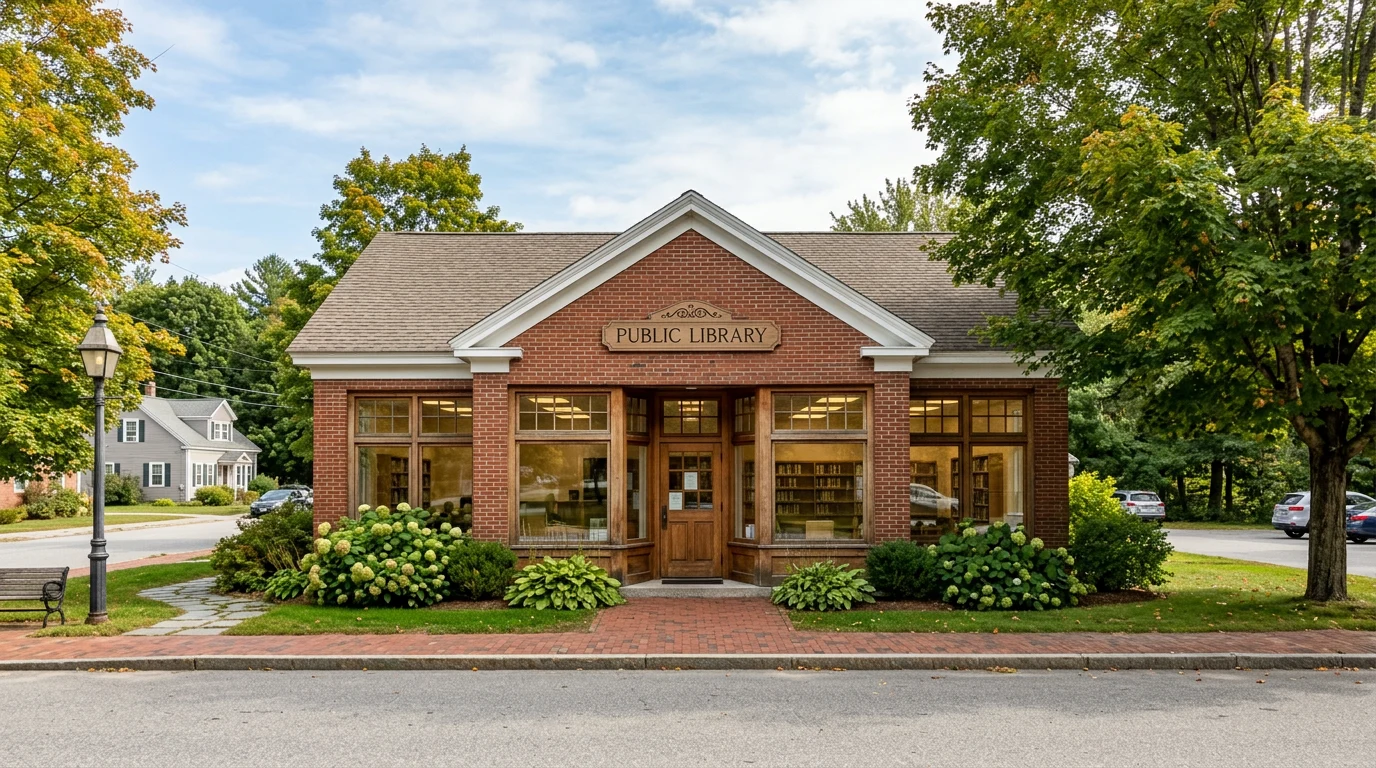
Roughly 86 cents of every public library operating dollar is raised within a few miles of the building, which explains almost everything about how the institution behaves when money gets tight.
Every few years America fights about a sculpture in a plaza, and the fight follows a script — here is the anatomy, from Tilted Arc to whatever erupts next.
As congregations shrink, America's surplus sacred buildings are finding second lives as galleries, studios, and performance halls — architecture doing the adapting.
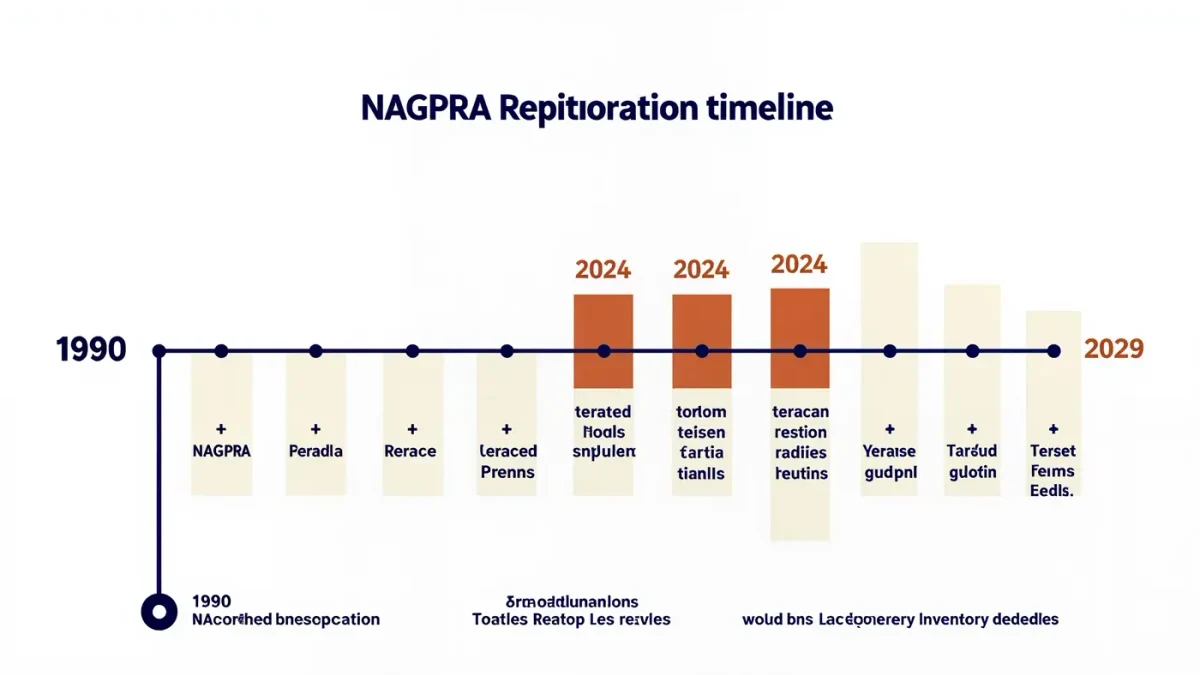
The 1990 law that returns Native American ancestors and sacred objects to tribes gained real teeth in 2024, and display cases across the country quietly changed.
For a century, American art meant New York. Then billionaire-funded museums started opening in Arkansas, Florida, and Texas, and the geography of culture shifted.
Free nights, pay-what-you-wish hours, and bank-sponsored admission programs form a shadow pricing system most visitors navigate without ever seeing whole.
Thousands of New Deal murals still hang in post offices, schools, and courthouses, kept alive by a small network of conservators, agencies, and volunteers.
When museums sell art from their collections, the field treats it as either prudent housekeeping or a firing offense — and the line between the two is thinner than anyone admits.