Topic
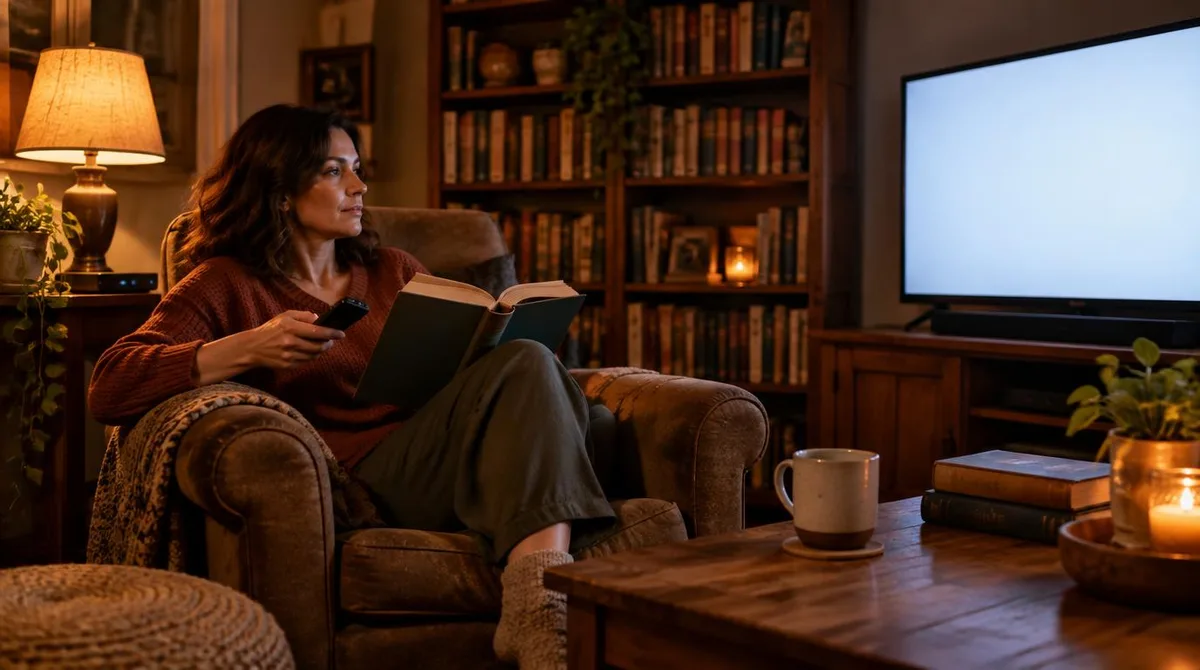
How Streaming Changed the Way America Reads — And Built a Screen-to-Page Pipeline
The remote control now points at the bookshelf. Here is how the adaptation economy reshaped what Americans pick up, borrow, and buy.
The remote control now points at the bookshelf. Here is how the adaptation economy reshaped what Americans pick up, borrow, and buy.
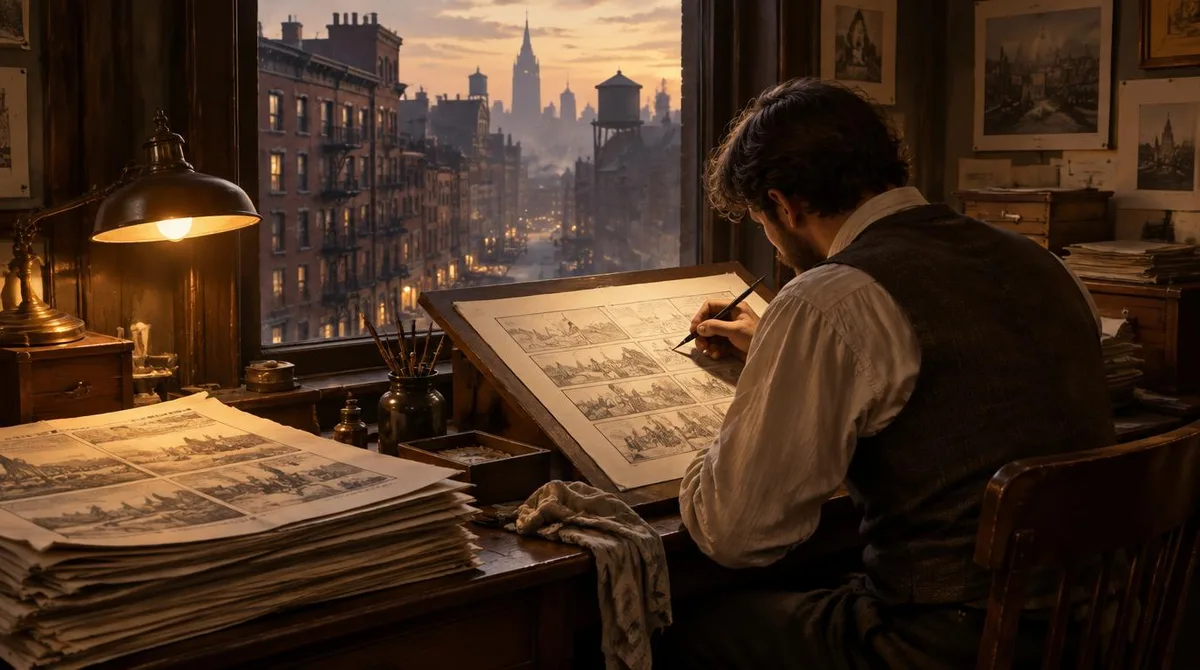
American comic strips began in the 1890s newspaper wars over the Yellow Kid and grew into syndicated empires like Peanuts, which ran 17,897 strips between 1950 and 2000.

A beginner's guide to building a home library you will actually read, reread, and lend.
A prize sticker sells books. What it does not do is tell you which books will still be read in twenty years.

Reading poetry without fear is a habit rather than a talent: read aloud, skip what resists, and let April carry the start.
Long before paperbacks, Americans were writing advice books. From Franklin's almanack to Dale Carnegie, the history of self-help books runs deeper than you think.
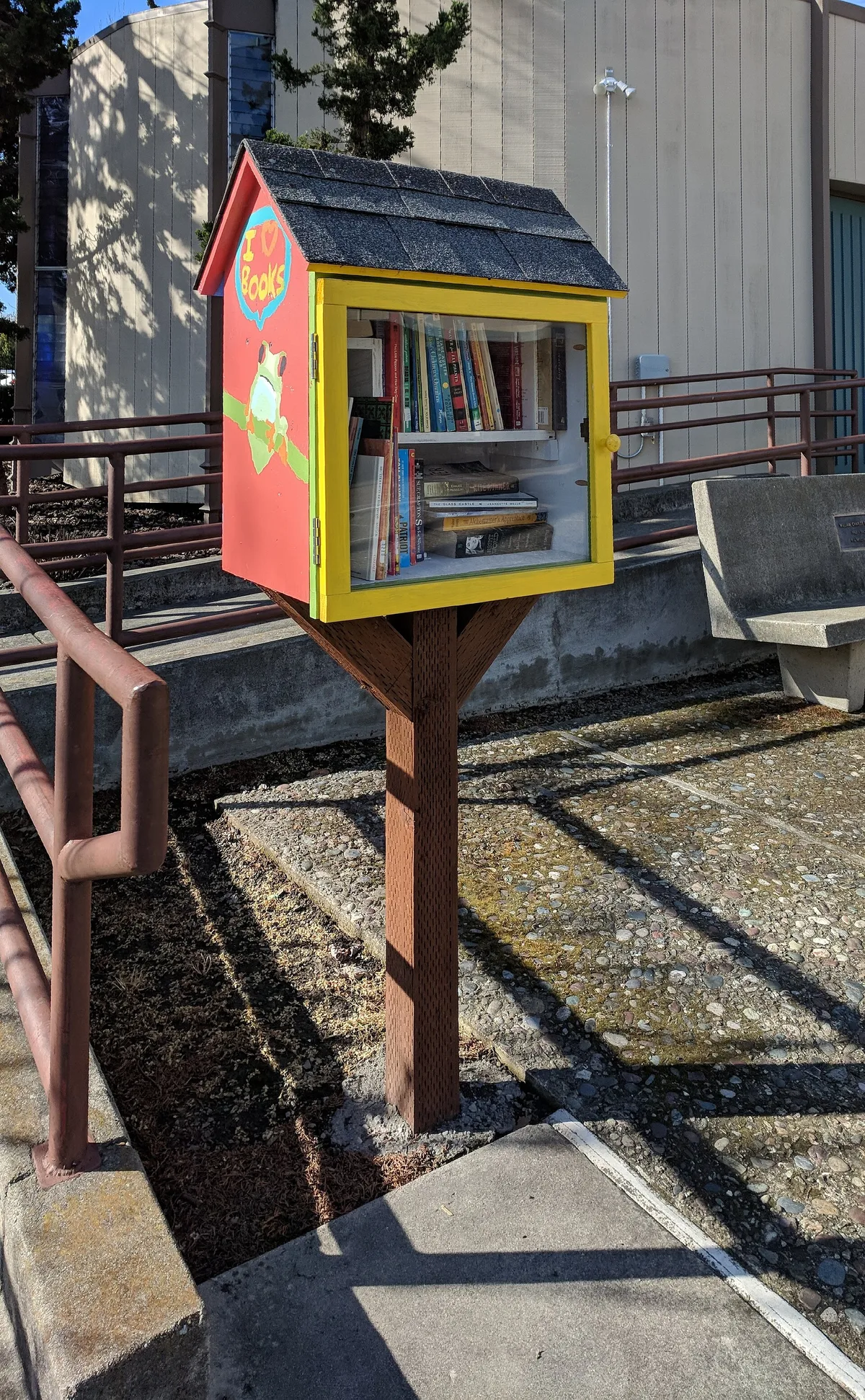
Little Free Library began with one handmade box on a lawn in Wisconsin. Today millions of books change hands each year through a worldwide network of small public bookcases.
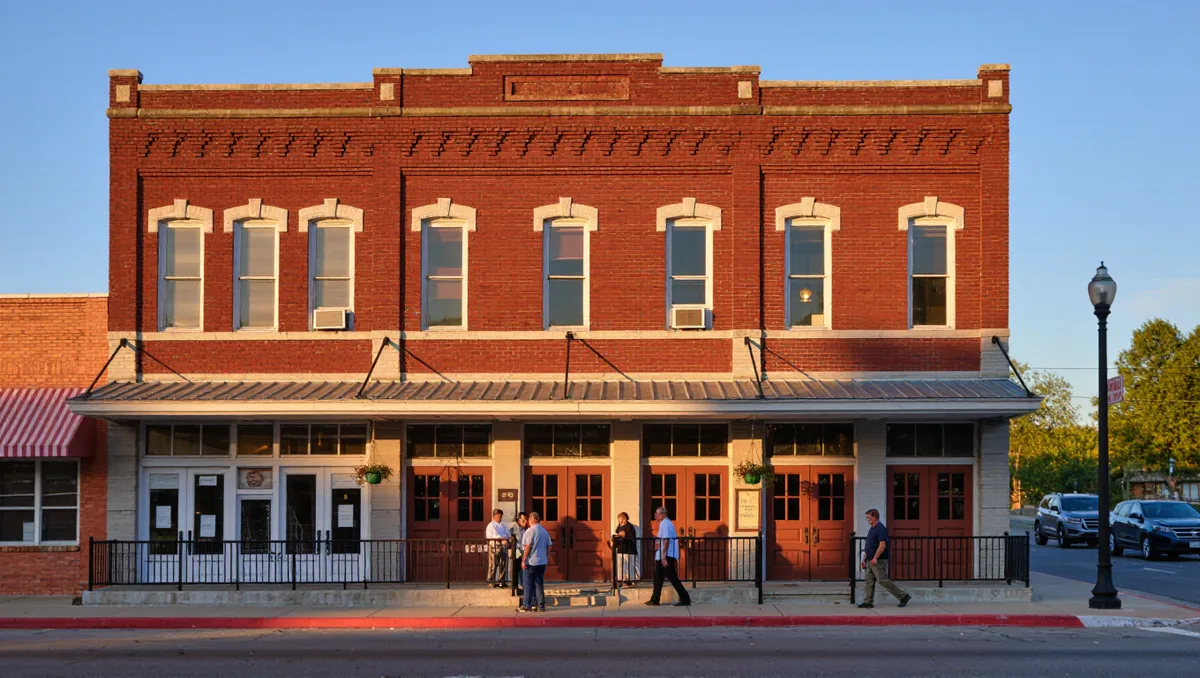
The dry era was meant to restore an older moral order. Instead it built the federal machinery, the nightlife and the policing habits we still live with.
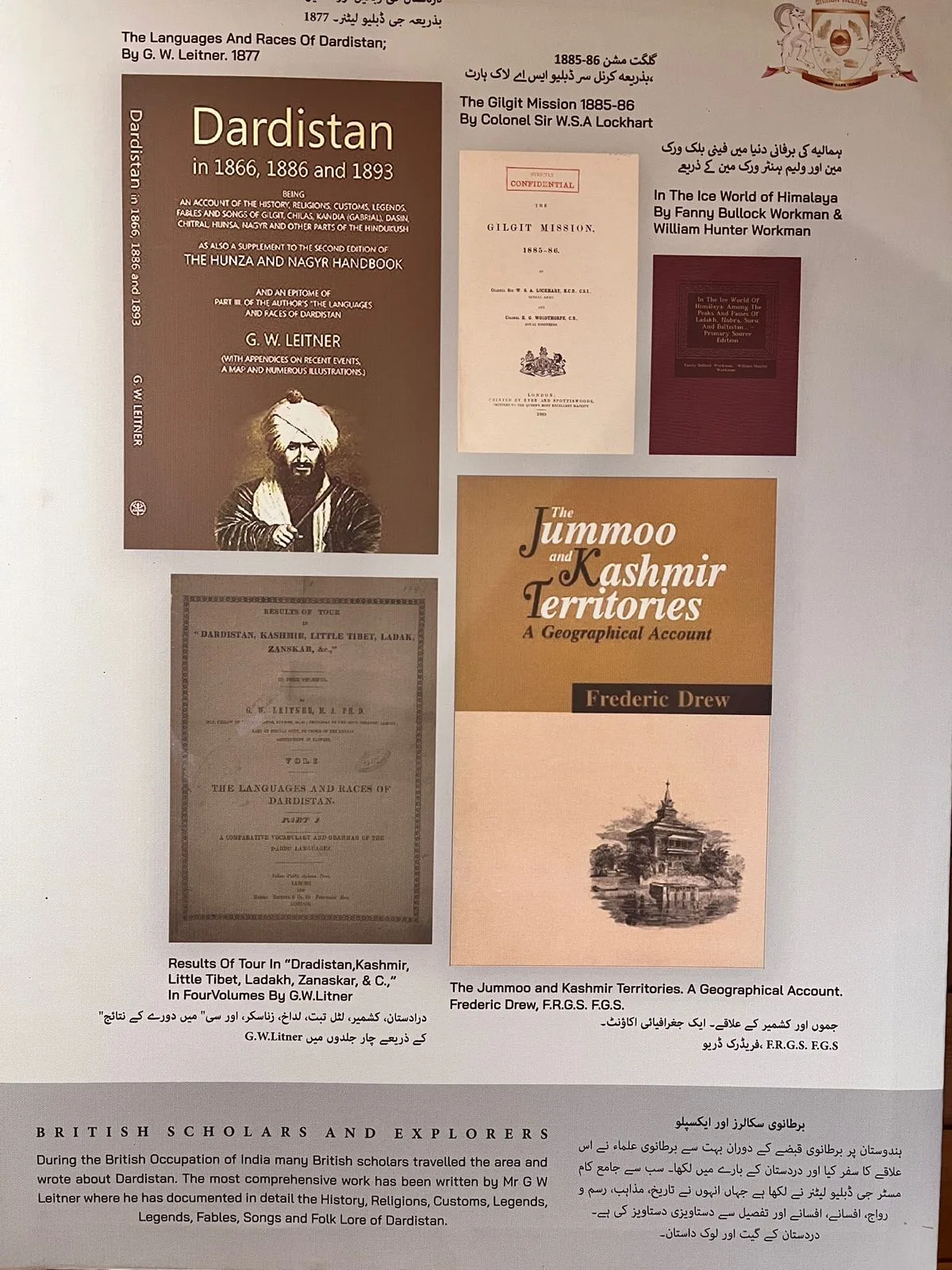
Deadlines, sprints, and a ruthless shelf beat willpower every time.

Behind most landmark novels stands someone readers never see. Here is what book editors actually do, and why the job is built to stay invisible.