History
The FSA Photographers Who Defined America
A small New Deal publicity unit sent Dorothea Lange, Walker Evans, and Gordon Parks across the country, and the pictures they brought back became the permanent image of the Depression.
American history examined through archives, monuments, correspondence and the movements that textbooks compress into a sentence. Each piece explains how a past decision still shapes an argument being had today. Written for readers who want historical detail rather than a moral delivered in advance.
American history examined through archives, monuments, correspondence and the movements that textbooks compress into a sentence. Each piece explains how a past decision still shapes an argument being had today. Written for readers who want historical detail rather than a moral delivered in advance.
A small New Deal publicity unit sent Dorothea Lange, Walker Evans, and Gordon Parks across the country, and the pictures they brought back became the permanent image of the Depression.
For two decades, American networks kept full symphony orchestras on staff and millions tuned in weekly, until television fired the musicians and sold the music stands.
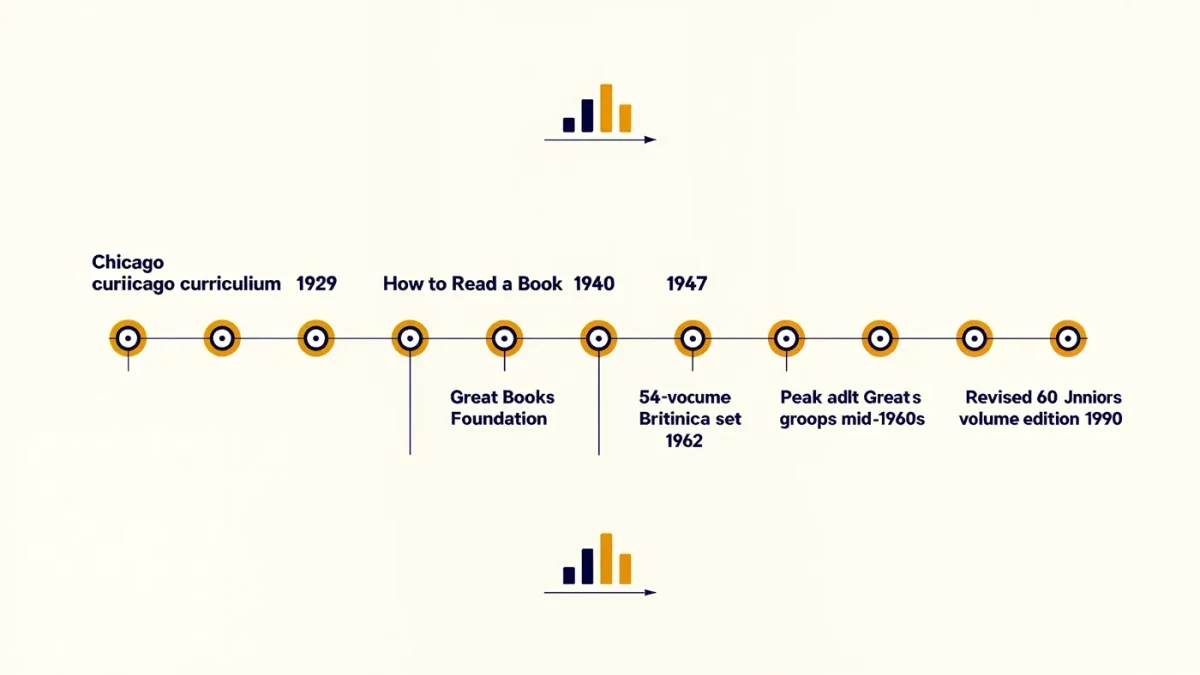
In 1952, Encyclopaedia Britannica sold 54 volumes of dead white males door to door for $249.50, and mid-century America bought the idea that a shared reading list could save it.
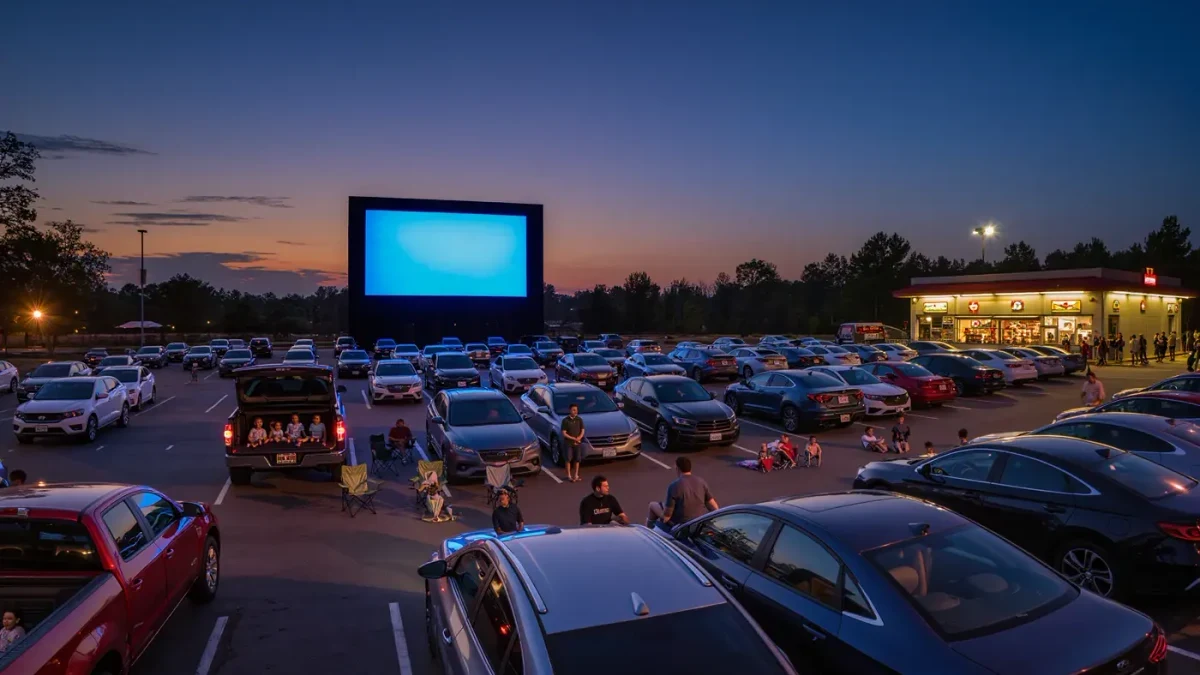
A Camden parking lot experiment from 1933 grew into more than 4,000 outdoor screens by the late 1950s, then melted down to a few hundred survivors, most of them beloved.
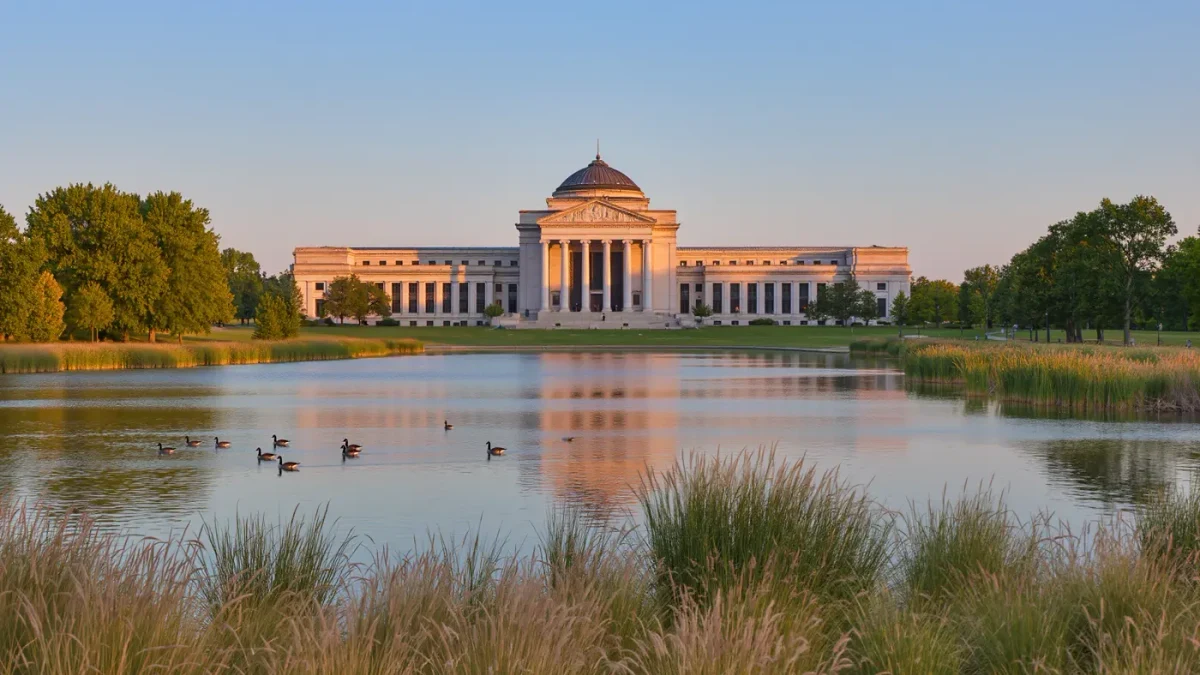
Chicago 1893 and New York 1939 sold two different futures to two generations of Americans, and both futures, remarkably, arrived.
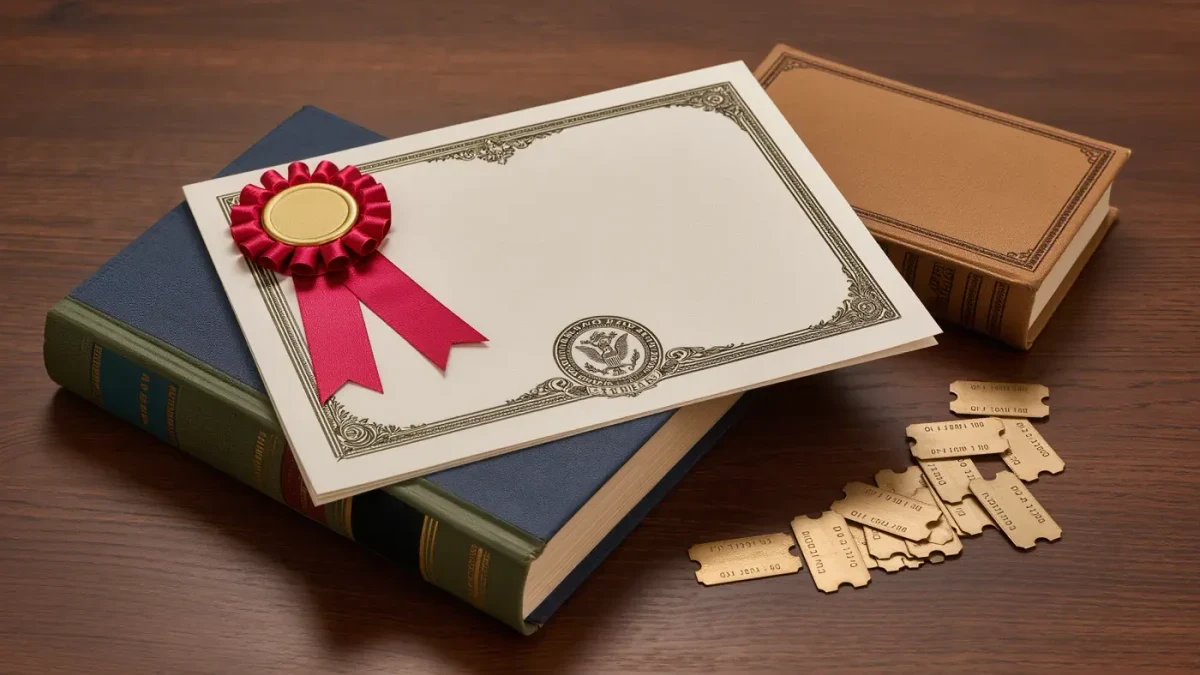
For half a century, an educational summer camp on a lake in western New York grew into a national habit of tents, lecturers, and self-improvement that reached thousands of towns a year.
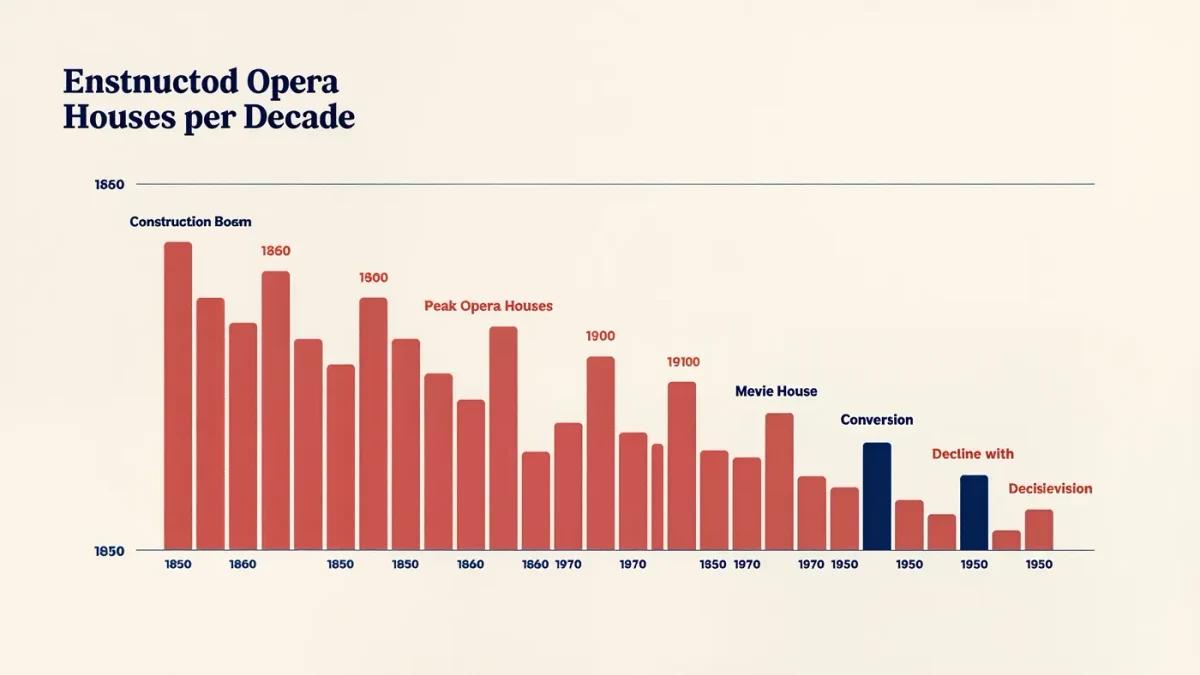
In the decades after the Civil War, thousands of American farm towns put up buildings they grandly called opera houses, and for a while the bookings actually came.
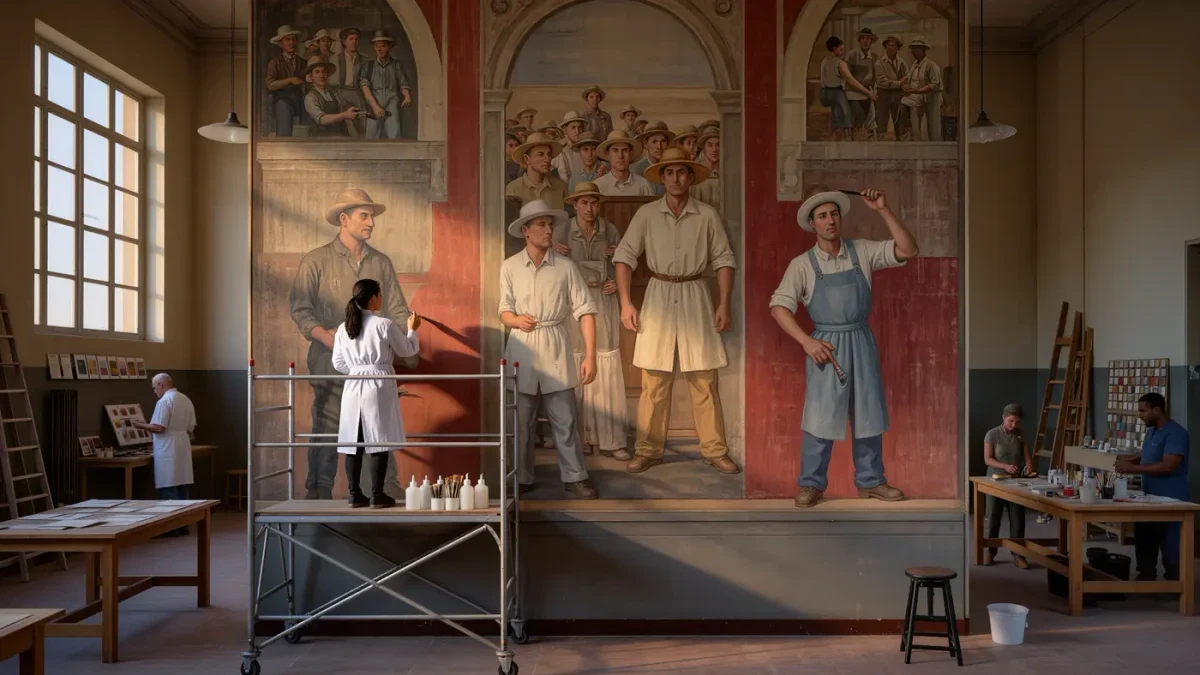
Between 1935 and 1943, a New Deal agency put thousands of American artists on the public payroll and quietly rebuilt the country's visual culture from the county courthouse to the city subway.